




“Ukraine belongs in Europe — historically, politically, strategically, and morally.”
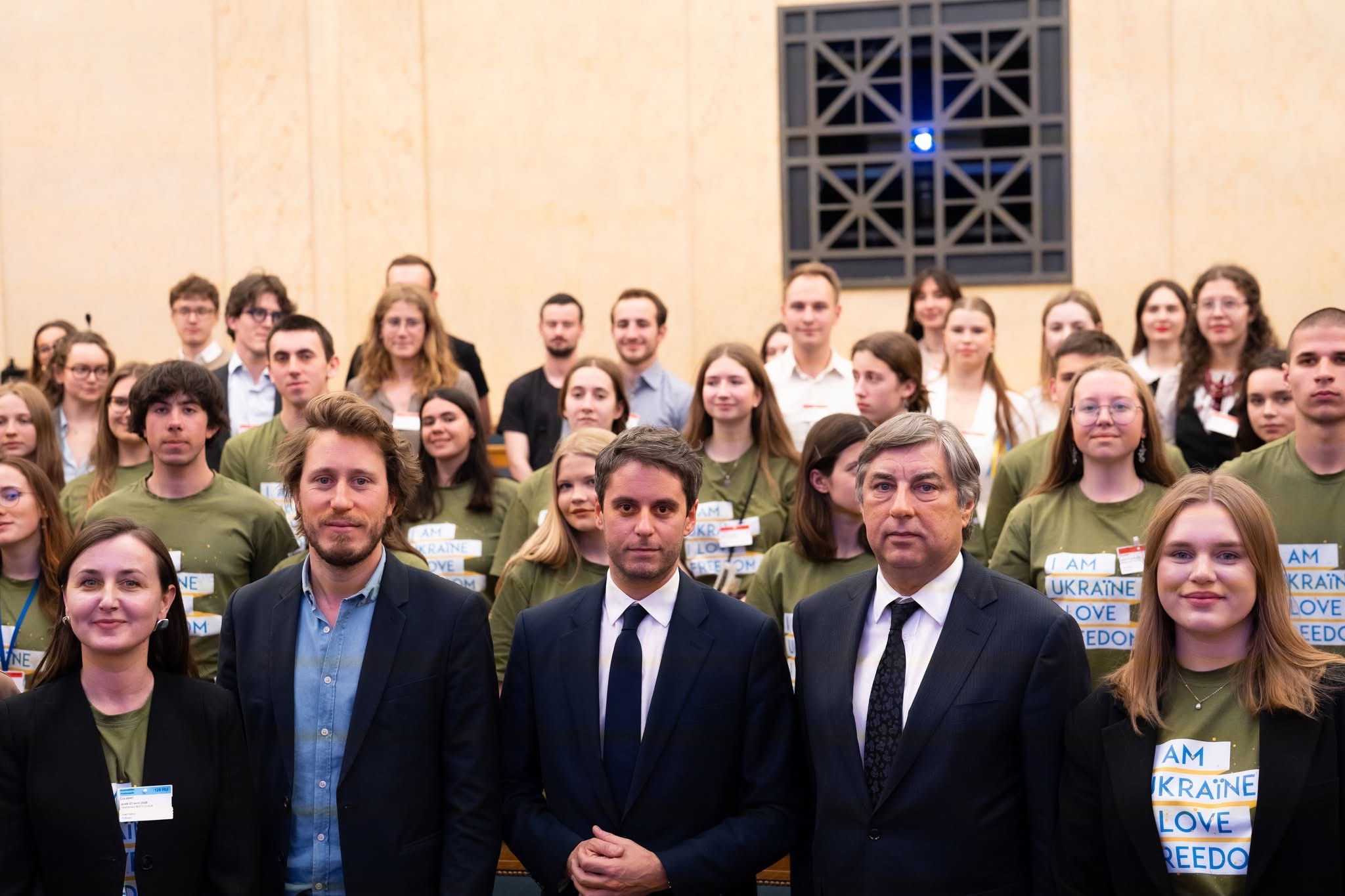
Gabriel Attal’s words perfectly reflected the spirit of the conference “Europe and Ukraine: Building the Future Together”, held yesterday at the French National Assembly. The event brought together young Ukrainians from the Ukrainian Leadership Academy and young French participants, notably from the Académie Notre Europe.
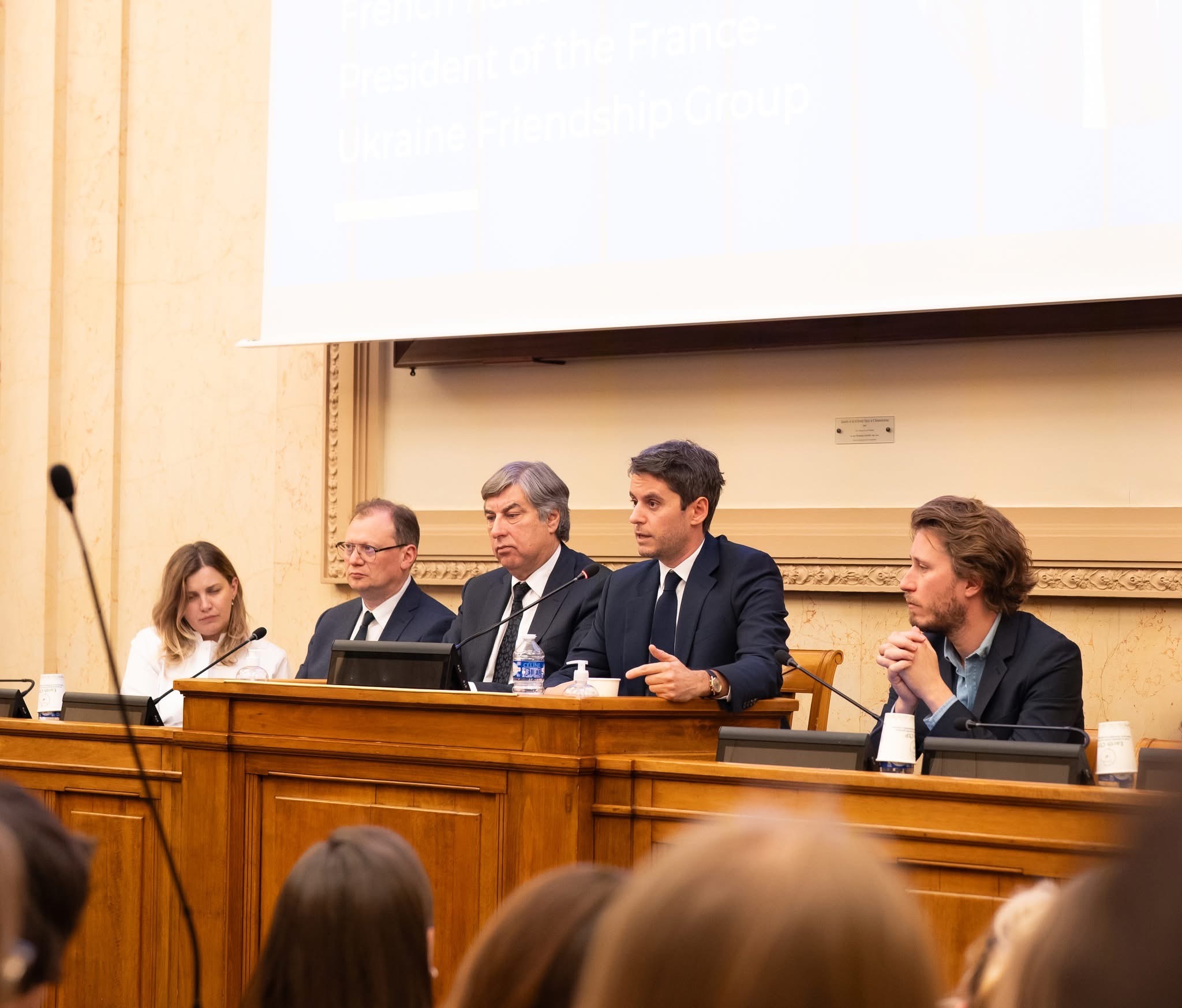
The conference was opened by Edward Mayor, President of Stand With Ukraine, followed by opening speech from Vadym Omelchenko, Ambassador of Ukraine to France. Gabriel Attal, President of the France–Ukraine Friendship Group at the National Assembly, then addressed the audience and engaged directly with the young participants. In particular, he argued in favour of an accelerated accession process for Ukraine to the European Union: rather than negotiating for years before obtaining full membership, Ukraine would join the EU immediately and subsequently negotiate, chapter by chapter, its gradual integration into the various European policies. In his speech, he summed up this conviction with remarkable clarity:
“When we support Ukraine, we are not acting out of charity. We are acting out of clarity. Because if Ukraine falls, the rest of Europe becomes more exposed. If Ukraine stands, Europe stands stronger too.”
The second part of the conference, moderated by Höelün Bellec, featured an interactive discussion with three speakers on Ukraine’s place in Europe and the role of youth within the European Union: Cédric Guillon-Lavocat, Head of European and International Strategy for the Île-de-France Region; Joanna Placzek, Head of the Mediation and Dialogue Support Unit at the Directorate-General for External Policies of the European Parliament in France; and Benjamin Couteau, researcher at the Jacques Delors Institute and the Centre Grande Europe.
The discussions highlighted a simple reality: the European Union needs Ukraine — whether in the fields of defence, economic development, or digital transformation. Democratic youth participation was also at the heart of the debate. The speakers presented various European initiatives designed to foster youth engagement, while testimonies from students of the Ukrainian Leadership Academy and participants from the Académie Notre Europe demonstrated that young people are eager to get involved, despite a lack of communication from institutions about the opportunities and programmes available to them.
One particularly strong message emerged from the young Ukrainians present: they need clear prospects and tangible perspectives regarding their European future.
A sincere thank you to all participants for their valuable contributions.
Supported by the Île-de-France Region, the organisation of this conference forms part of the Europe programme, which aims to promote civic engagement and European citizenship among young people.