




After Mykolaiv, which celebrated its 236th anniversary last Saturday, the French parliamentary delegation continued its visit on Sunday to Odesa, another strategic city in southern Ukraine, a gateway to the Black Sea and a symbol of freedom.
Founded at the end of the 18th century under the influence of the Duke of Richelieu, Odesa is listed as a UNESCO World Heritage Site (on the List of World Heritage in Danger since January 2023).
Today, the city is subjected to Russian bombardments that deliberately target its cultural heritage, residential areas, and port infrastructure.
The port of Odesa, vital for the export of grain and agricultural products that feed millions of people worldwide, remains a primary target.
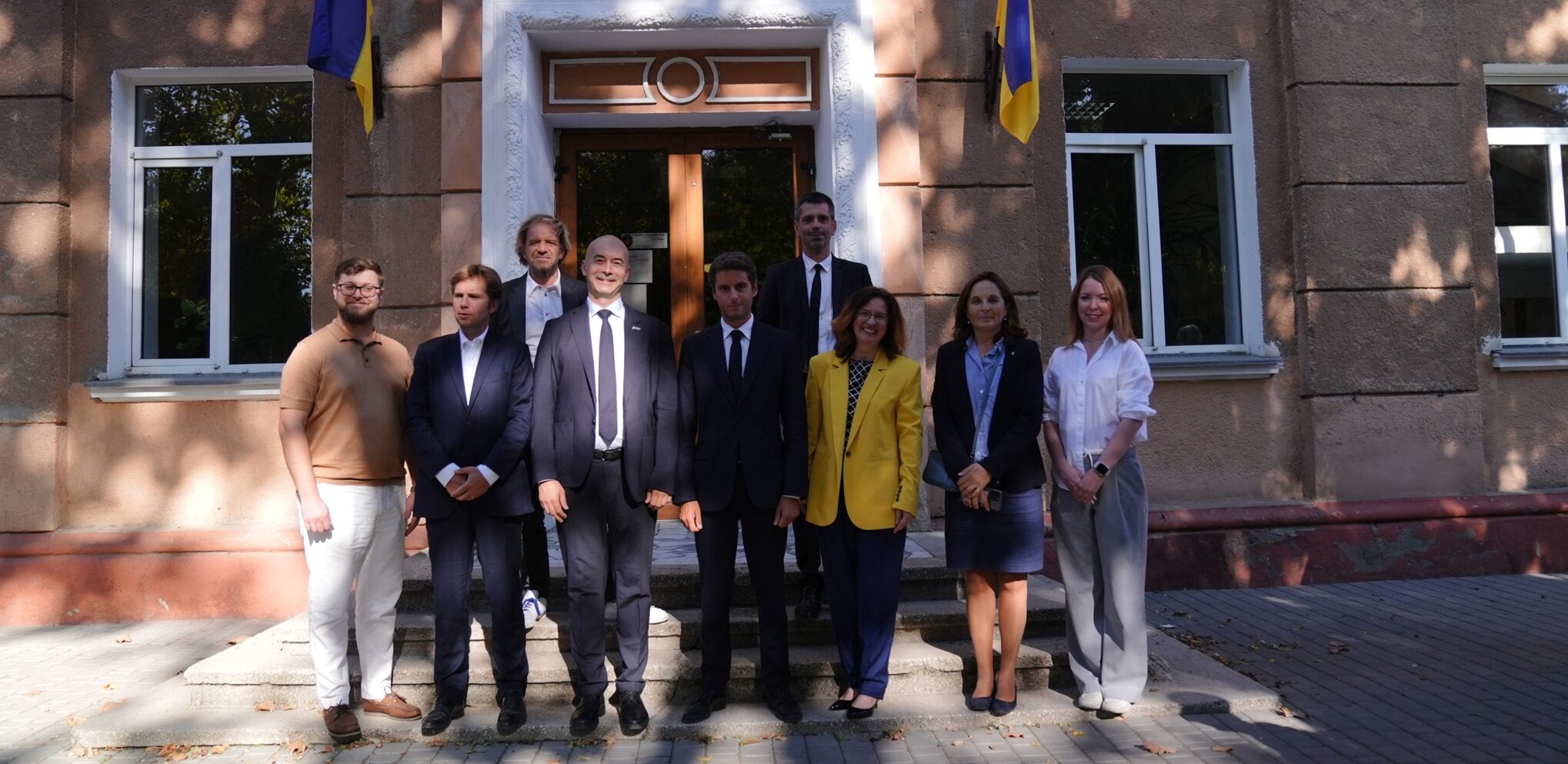
In this context, the delegation of the France–Ukraine Friendship Group of the French National Assembly, led by Gabriel Attal, President of the Group, and composed of Members of Parliament Tristan Lahais (Ille-et-Vilaine), Thierry Sother, Pieyre-Alexandre Anglade (MP for French citizens residing in the Benelux), and Liliana Tanguy, visited several sites emblematic of Odesa’s resilience.
The construction site of the future Superhumans Center, scheduled to open in nine months, is one such symbol. This project, carried out in partnership with Expertise France in Ukraine, will be dedicated to prosthetics, reconstructive surgery, rehabilitation, and psychological support for victims of the war. It will provide fully free care to all those in need. On site, the delegation met former combatants undergoing rehabilitation, whose testimonies highlighted the importance of this unique center.
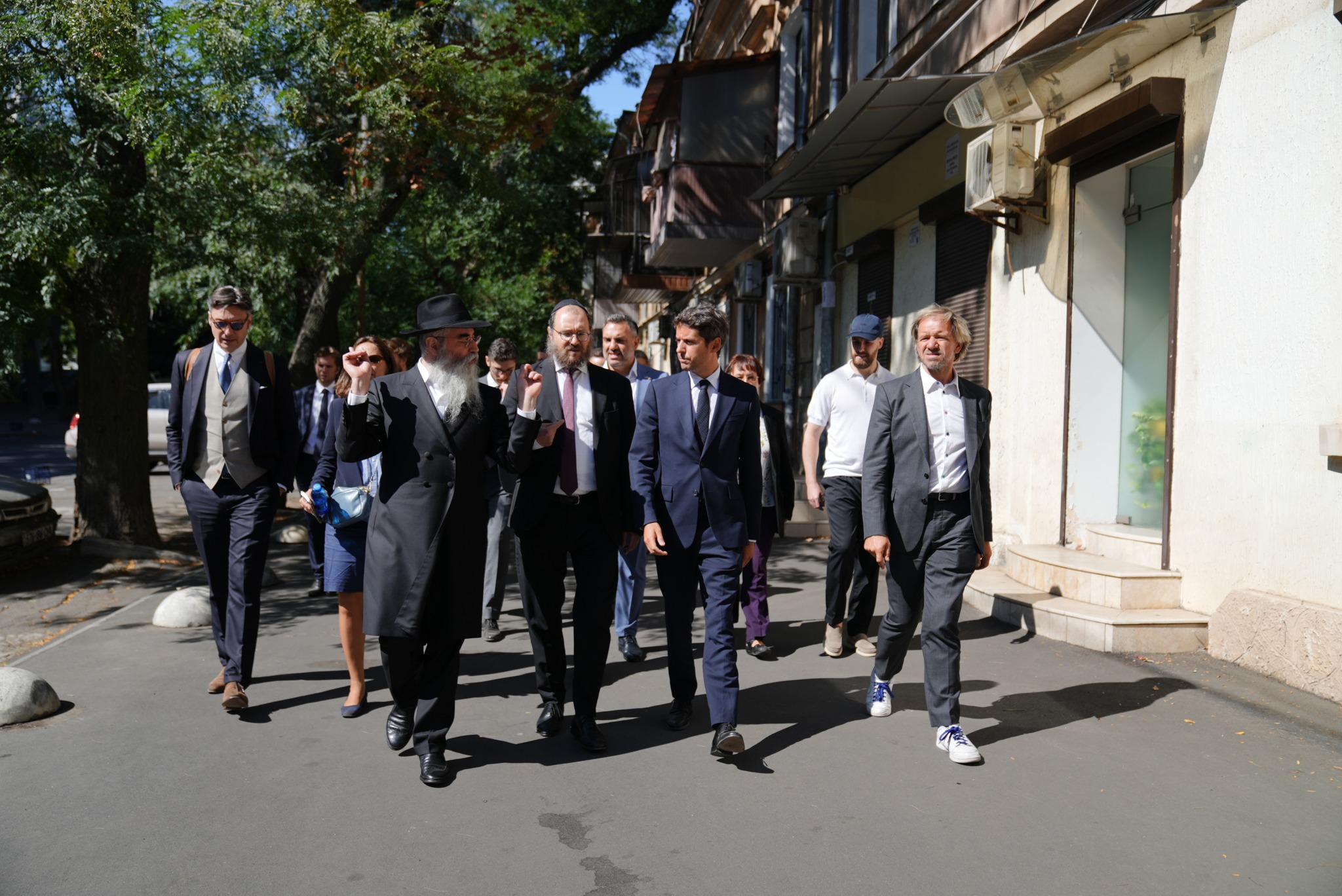
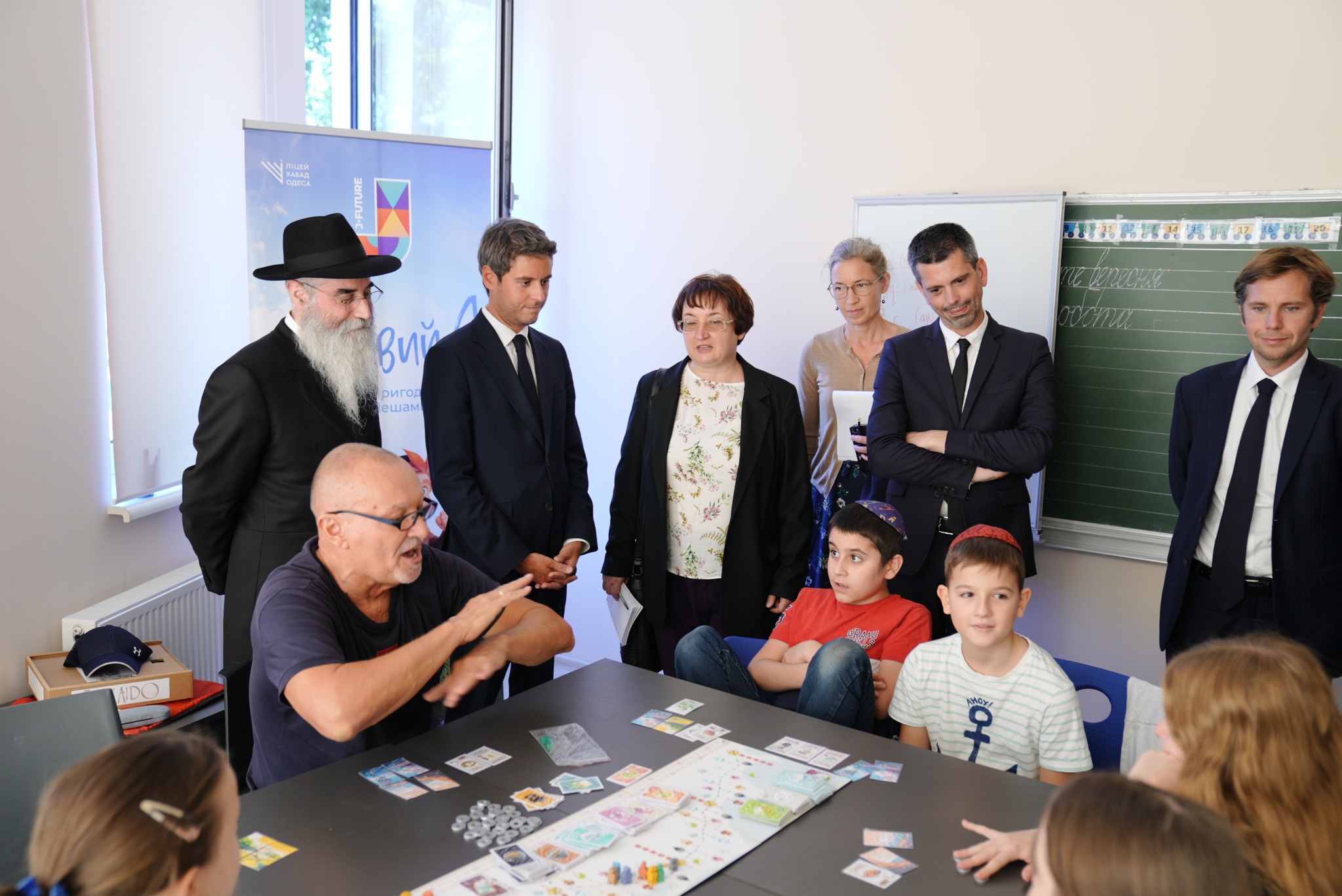
The meeting with Odesa’s Jewish community led the MPs to the synagogue, an orphanage, and an exchange with the Chief Rabbi. These discussions underscored the need to protect the city’s spiritual and cultural continuity despite the war.
At the regional audiovisual archives center of @Suspilne Ukraine, Ukraine’s public broadcaster, thousands of hours of audio and video archives—some dating back to the Soviet era—are being digitized and preserved with the support of French partners (INA, École nationale des chartes, BnF, ECPAD). This work is essential to safeguarding collective memory in the face of destruction.
Odesa’s history was also recounted by Oleksandr Babich, a historian now serving in the Ukrainian Navy. For several hours, he returned to his profession to guide the delegation along the city’s French historical traces and to recall its deep ties with Europe.
Finally, the visit concluded at the studio of sculptor Mikhail Reva. The creator of several iconic works in Odesa (Twelfth Chair, Love Tree, Source of Life), he now works with fragments of missiles, shell shrapnel, and spent casings transformed into sculptures, which he describes as “a puzzle made of horror and chaos.”
Odesa embodies both the vulnerability of Ukrainian cities and the strength of their resilience, sustained by solidarity, memory, and creativity.